
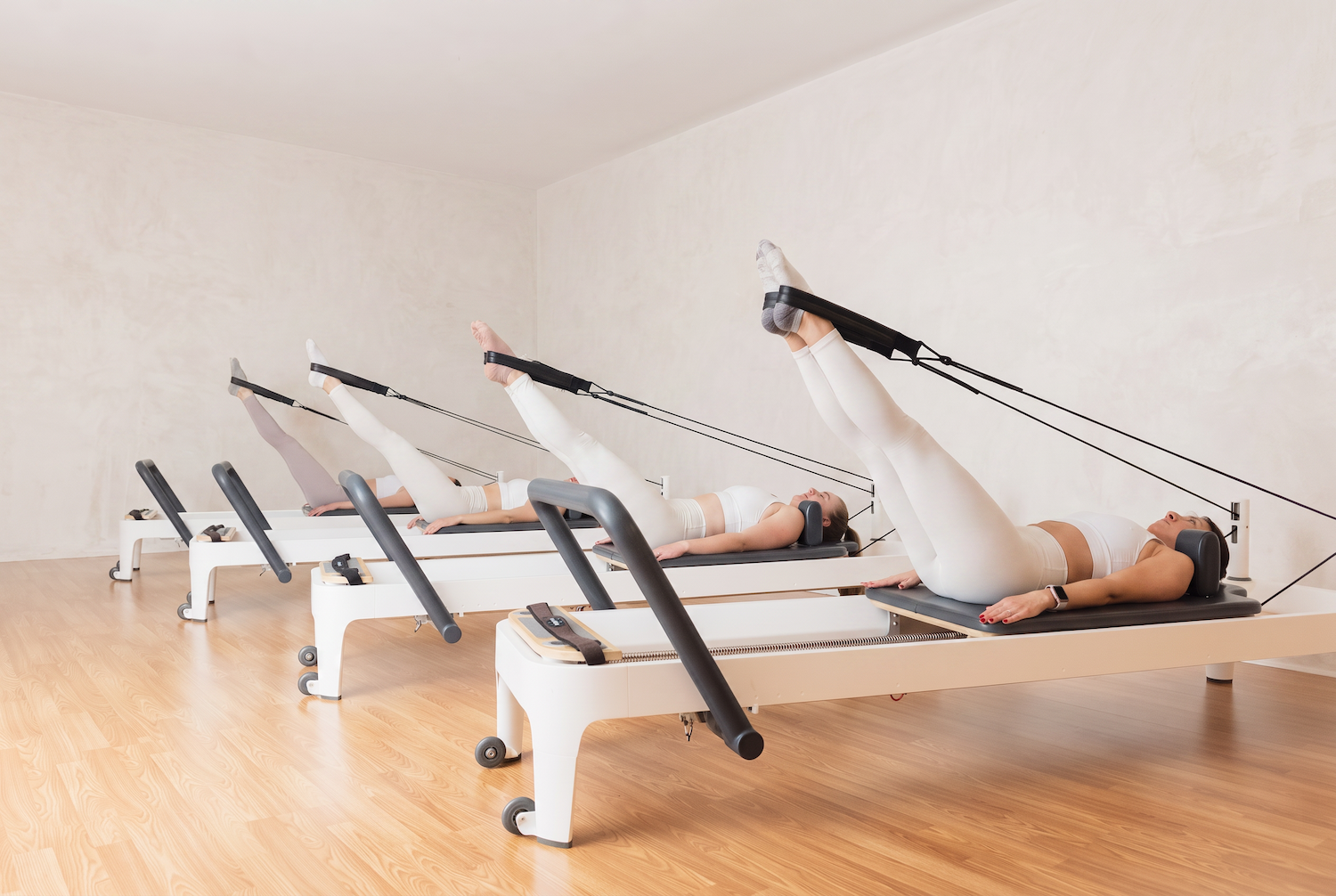
One of the biggest misconceptions about launching a Pilates teacher training is that you’re simply putting together a course.
You’re not. You’re creating an educational experience that will shape every teacher who graduates from your program: the way they cue, the way they observe movement, the way they communicate with clients, and the way they approach injuries, modifications, and progression. Every decision you make while building your curriculum shapes the teacher that person eventually becomes.
That’s a remarkable opportunity. It’s also a real responsibility, and it’s why so many studio owners find that building a teacher training from scratch takes far more time, expertise, and trial and error than they expected.
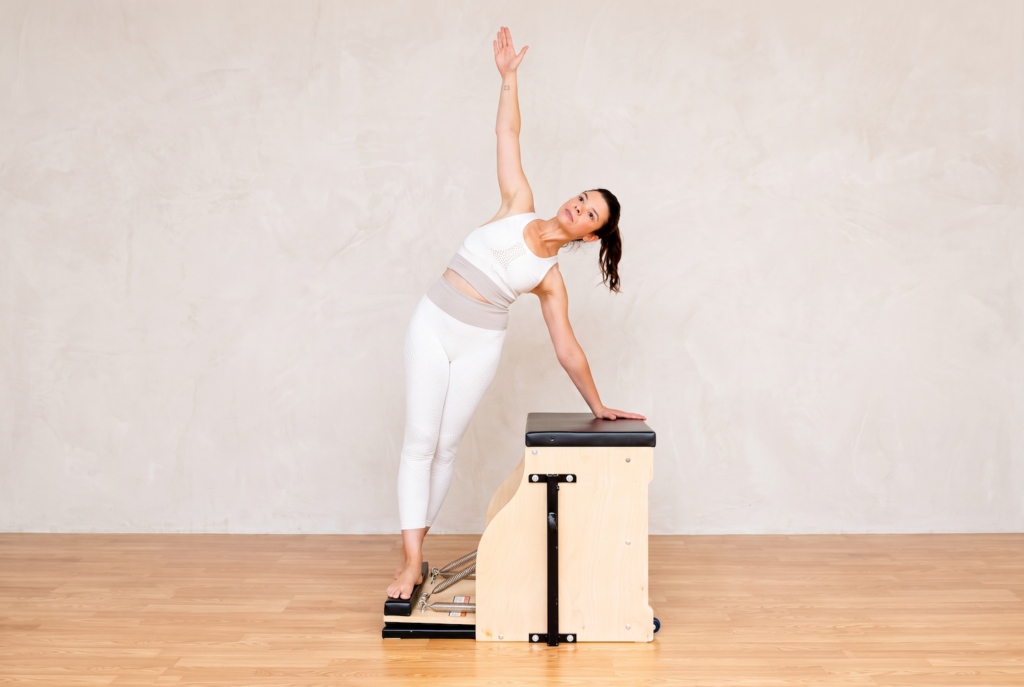
What a Pilates Teacher Training Actually Requires
Creating exceptional teachers takes more than assembling a repertoire of exercises. It requires deciding, deliberately, what kind of teacher you want your program to graduate.
Do you want instructors who can confidently recite a sequence? Or teachers who can observe the person in front of them, think critically, and adapt on the spot? Those aren’t the same skill, and they aren’t built the same way.
A great teacher training doesn’t just teach what to do. It teaches future instructors how to think.
The Philosophy Behind Every Curriculum Decision
That thinking-first philosophy has to influence every decision in the program, not just the highlights. It shapes the order in which concepts get introduced, how much supervised teaching students complete before they’re certified, and how practical exams get assessed.
Get that sequencing wrong and you end up with teachers who can pass a test but freeze in front of a real client. Get it right, and long after your trainees have forgotten the order of a particular exercise sequence, they’ll still remember how they were taught to approach movement, communicate with clients, and solve problems in the moment.
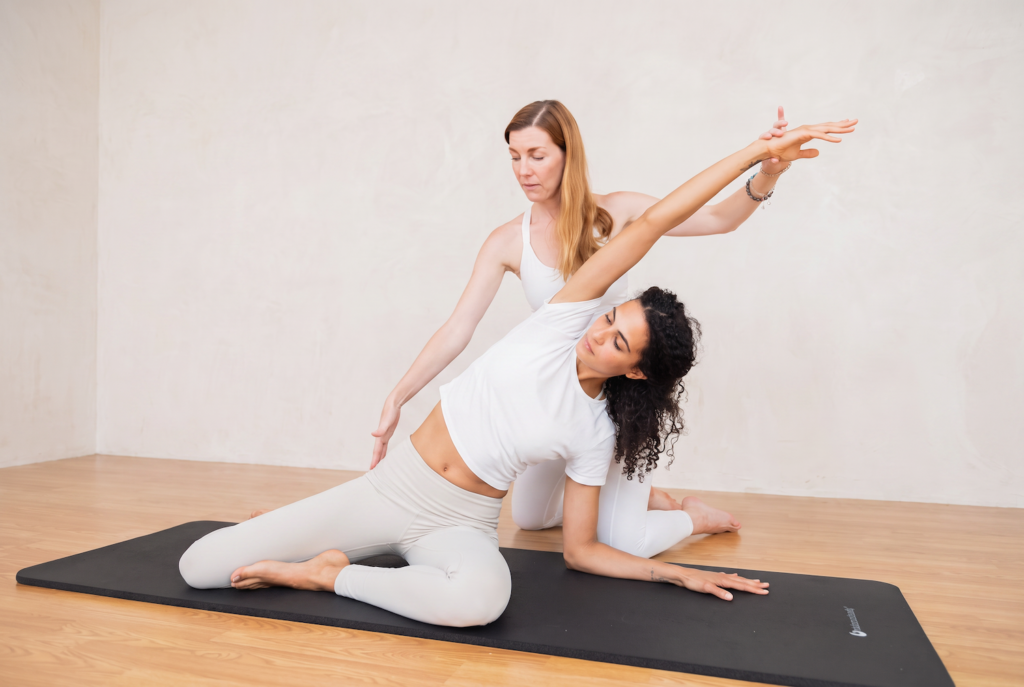
[Image: Small group of trainees in a supervised teaching practicum, one coaching while others observe]
That’s the legacy of a thoughtfully designed teacher training: not a certificate, but a way of teaching that carries forward into every class those graduates ever lead.
Why Studios Are Choosing Not to Build Alone
This is exactly why building a teacher training program from the ground up is such a heavy lift for most studio owners. It’s not a content problem. You likely already know your method inside and out. It’s a curriculum design problem: sequencing, assessment, supervised practice, and the years of iteration it takes to get all of it right.
It’s also why more studios are choosing to launch under a white label Pilates teacher training model instead of starting from a blank page. The curriculum, sequencing, and assessment framework are already built and tested. What you bring is your brand, your space, and your students. What you get is a program engineered from the start to produce teachers who can actually think on their feet, not just recite what they were shown.
Ready to Build a Team of Pilates Teachers Who Can Really Teach?
If you’re weighing whether to build your own Pilates teacher training from scratch or bring in a curriculum that’s already proven, we’d love to talk it through with you.


